Emotional Freedom Technique, often called EFT or “tapping,” is a simple yet profound method for working with emotions, stress, and the body’s energetic and neurological pathways. At first glance, tapping may look like little more than gently touching the face and body with the fingertips. Yet beneath this simplicity lies a sophisticated system that engages the brain, the nervous system, and the body’s subtle energy channels all at once.
At the center of EFT are the tapping points themselves — specific locations along the body that correspond to acupuncture meridians and neurological reflex points. When we tap these points while bringing conscious attention to an emotion, memory, or belief, we send a powerful signal to the brain: you are safe now, it is okay to feel this, and it is possible to let it move.
EFT moves beyond simple talk therapy by integrating the frontal cortex with the amygdala, creating a somatic, embodied form of healing.
Below I’ll share the primary tapping points I learned in my training, how they are used in a session, and what clients often experience as the nervous system begins to soften and release.
Beginning the Round: The Karate Chop Point

EFT traditionally begins at the edge of the hand, often called the karate chop point. This point is located on the fleshy outer side of the hand, midway between the wrist and the base of the pinky finger.
This point is used only at the very beginning of a tapping round, during what is called the setup statement. The setup statement has two purposes: it acknowledges what is present, and it affirms self-acceptance at the same time.
A classic example sounds like this:
“Even though I feel anxious about this situation, I deeply and completely accept myself.”
This phrasing is powerful. On a neurological level, we are naming the problem. On an emotional level, we are offering compassion to ourselves. And on an energetic level, we are opening the system so that change can occur.
In my work with clients, I often remind them that these are repeat-after-me statements, not fixed scripts. If anything I say does not feel true, they are always welcome to change the language so it reflects their honest experience. Authenticity is far more important than saying the “right” words.
The Sequence of Tapping Points
After the setup statement, we move through a sequence of tapping points that gently stimulate the nervous system and energy meridians.
*Please note, the founder of tapping Gary Craig originally included finger points in addition to these, but then reduced them to simply tap the top and bottom of the wrist.
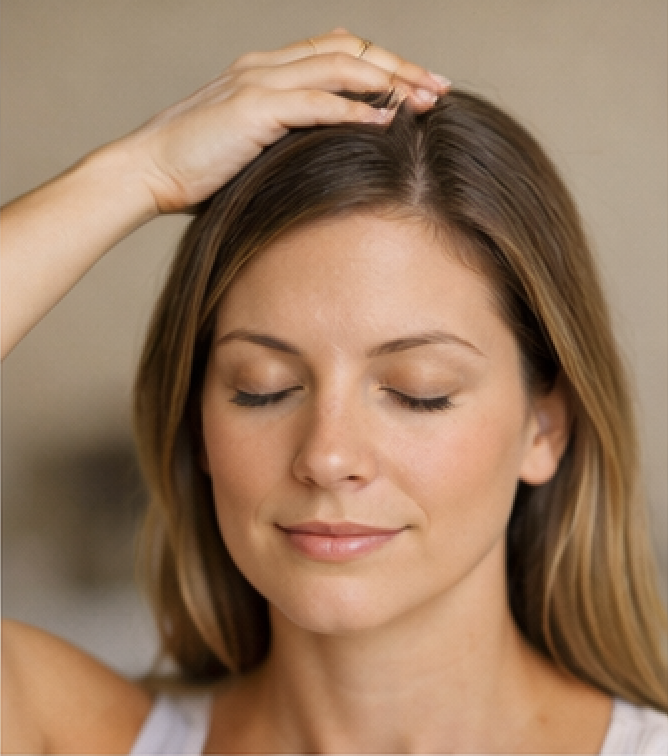
Top of the Head
Located at the crown of the skull, this point sits on the Governing Vessel and intersects multiple meridians. It is often associated with integration and overall balance. Tapping here helps settle the system and bring awareness into the whole body.
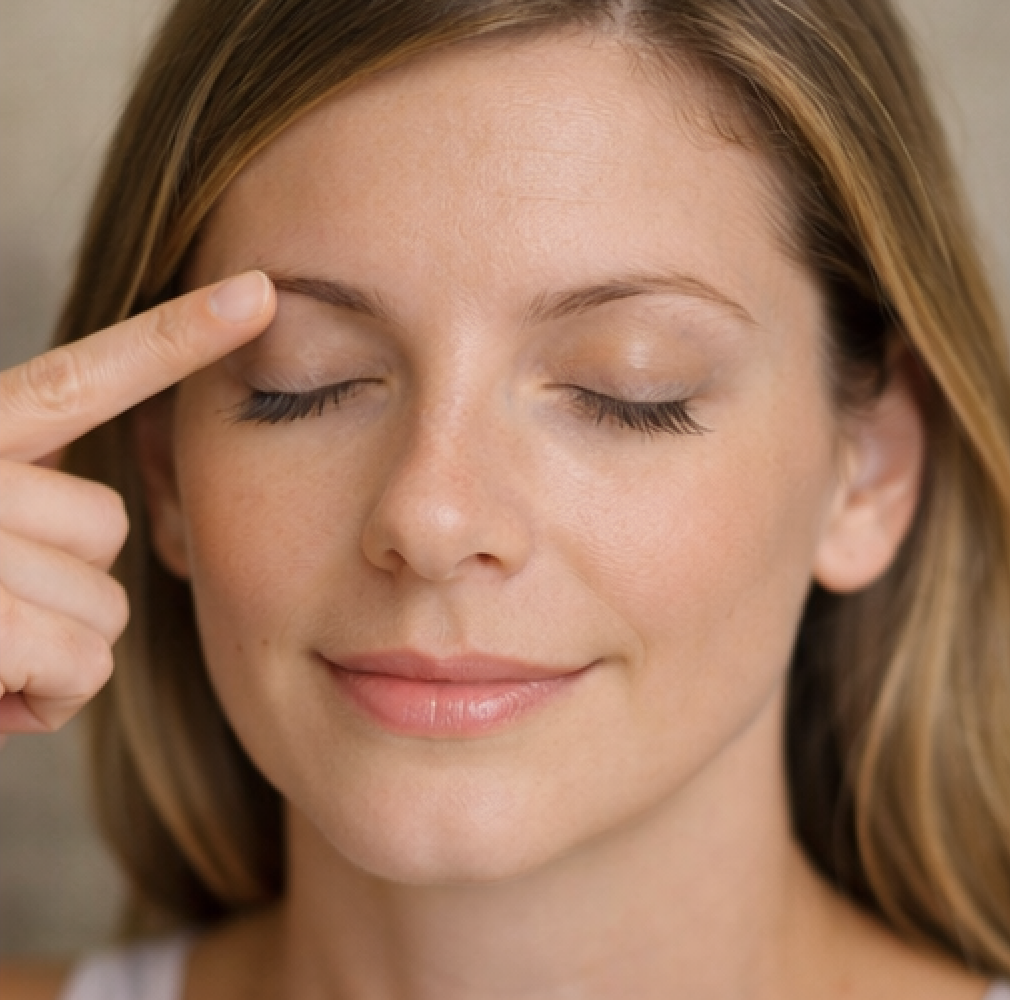
Top of the Eyebrow
Found on top of the eyebrow, often at the inner edge of the eyebrow. This point is linked with the bladder meridian and is often associated with fear, shock, and stored tension. It can be especially calming for anxious or overwhelmed states.
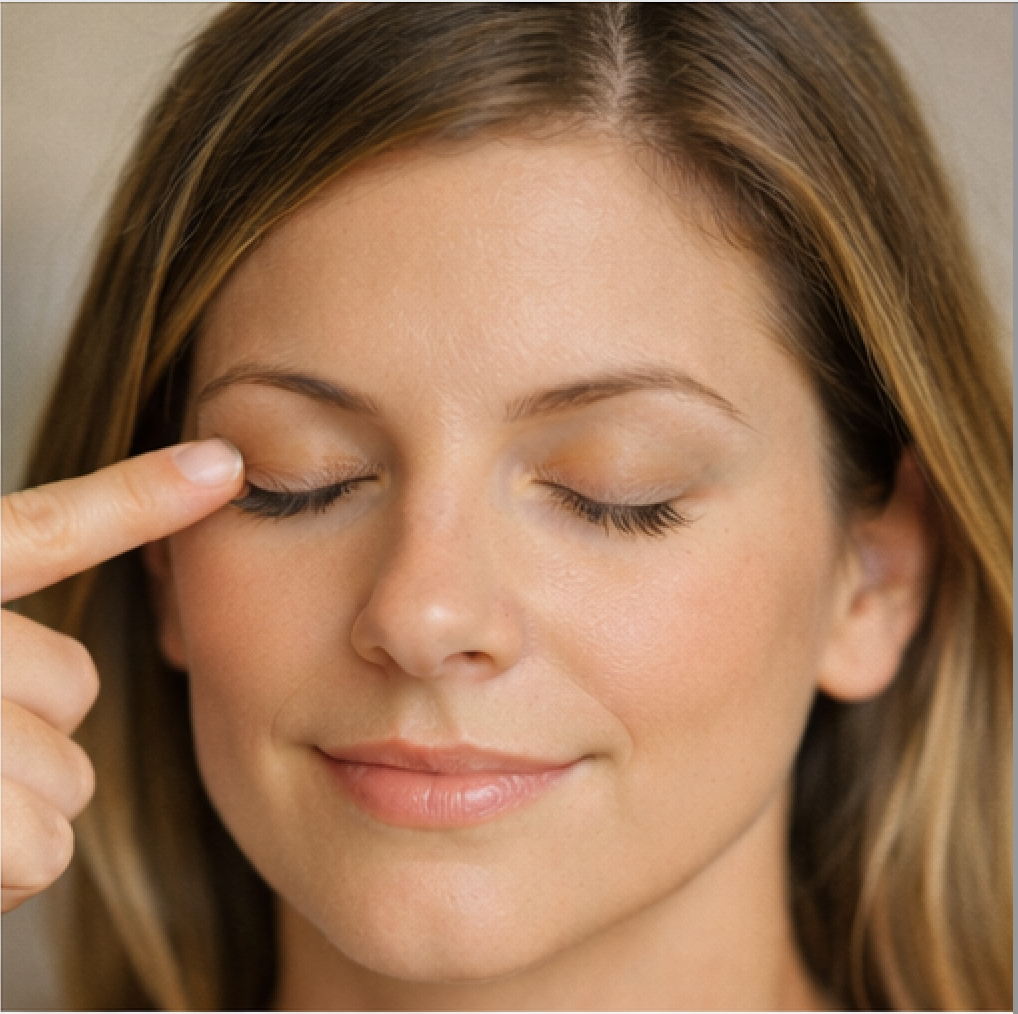
Edge of the Eye
Located on the bone at the outer corner of the eye, this point corresponds to the gallbladder meridian. It often helps release frustration, resentment, and emotional pressure that has been held or repressed.
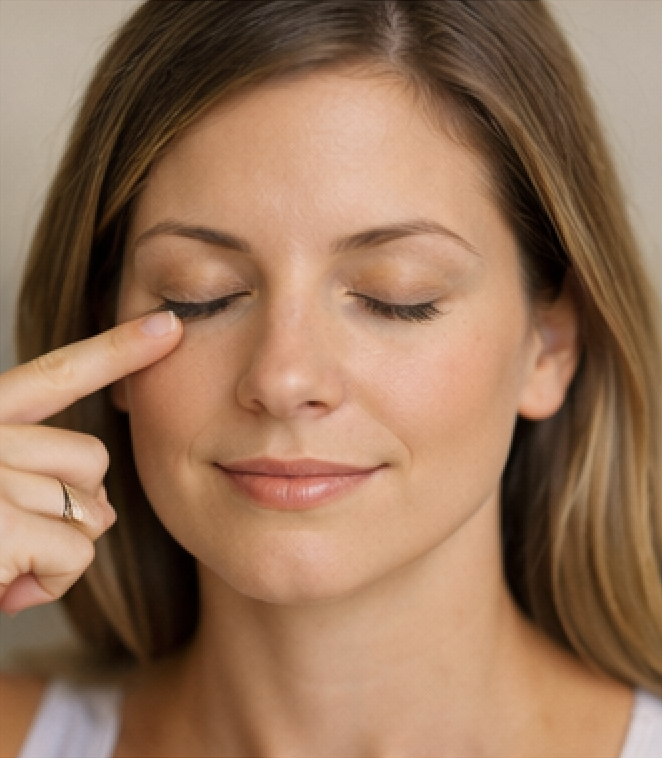
Under the Eye /Near the Cheekbone
Directly under the eye on the upper cheekbone, this point relates to the stomach meridian. It is a powerful point for soothing anxiety and addressing emotions connected with safety, nourishment, and trust.
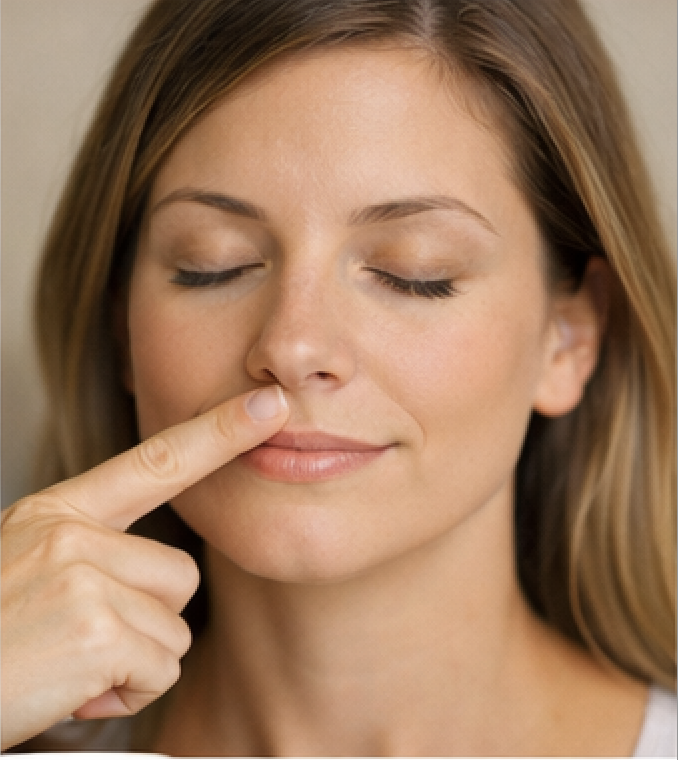
Under the Nose / Above the Lip
This small indentation between the nose and upper lip connects with the governing vessel. It is often associated with shame, embarrassment, and regulation of the breath. Tapping here can gently calm the nervous system and soften emotional constriction.
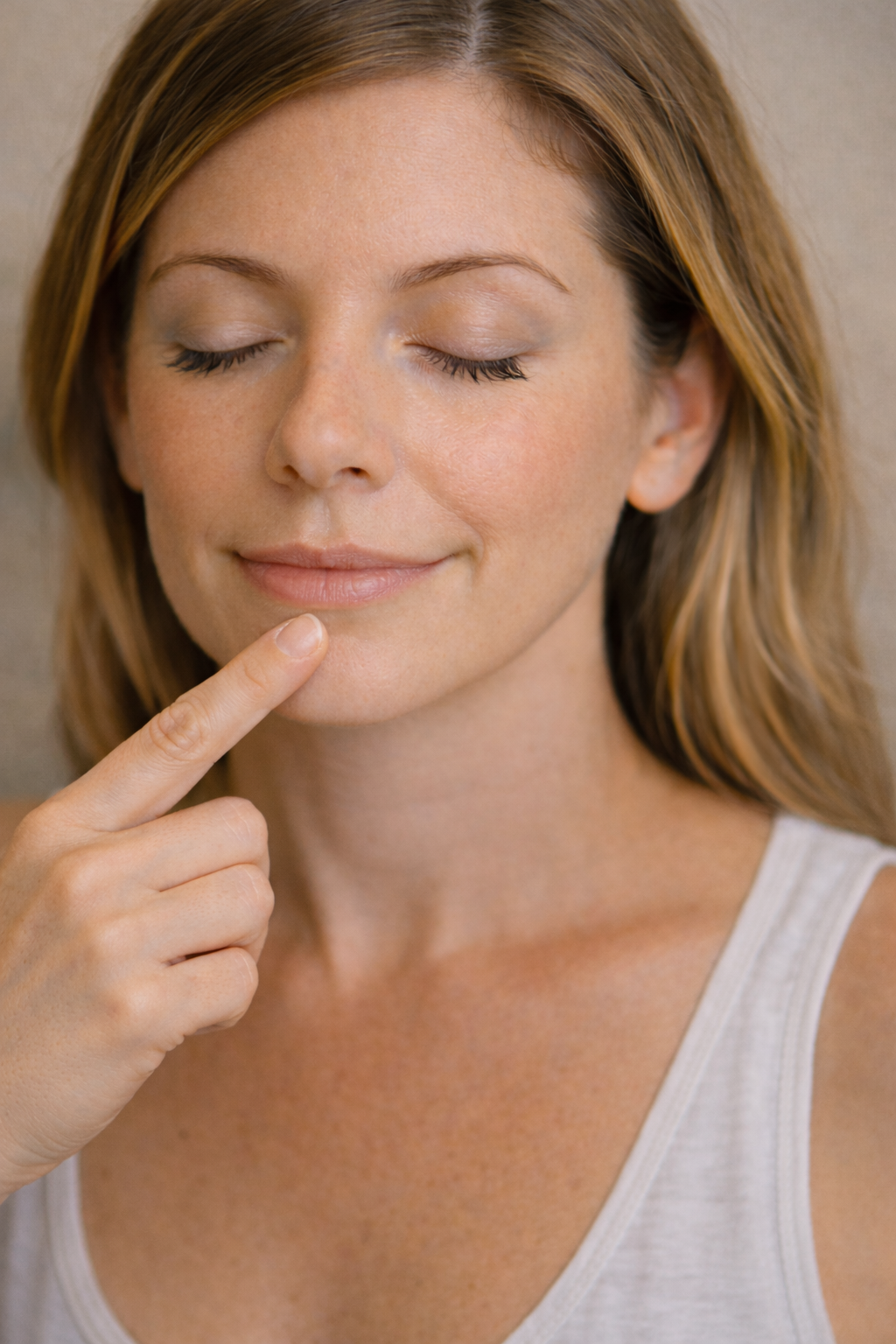
Under the Lips / Above the Chin
Located in the crease between the lower lip and the chin, this point is part of the conception vessel and relates to self-expression and emotional identity. It can support release when working with confusion, self-doubt, or difficulty speaking one’s truth.
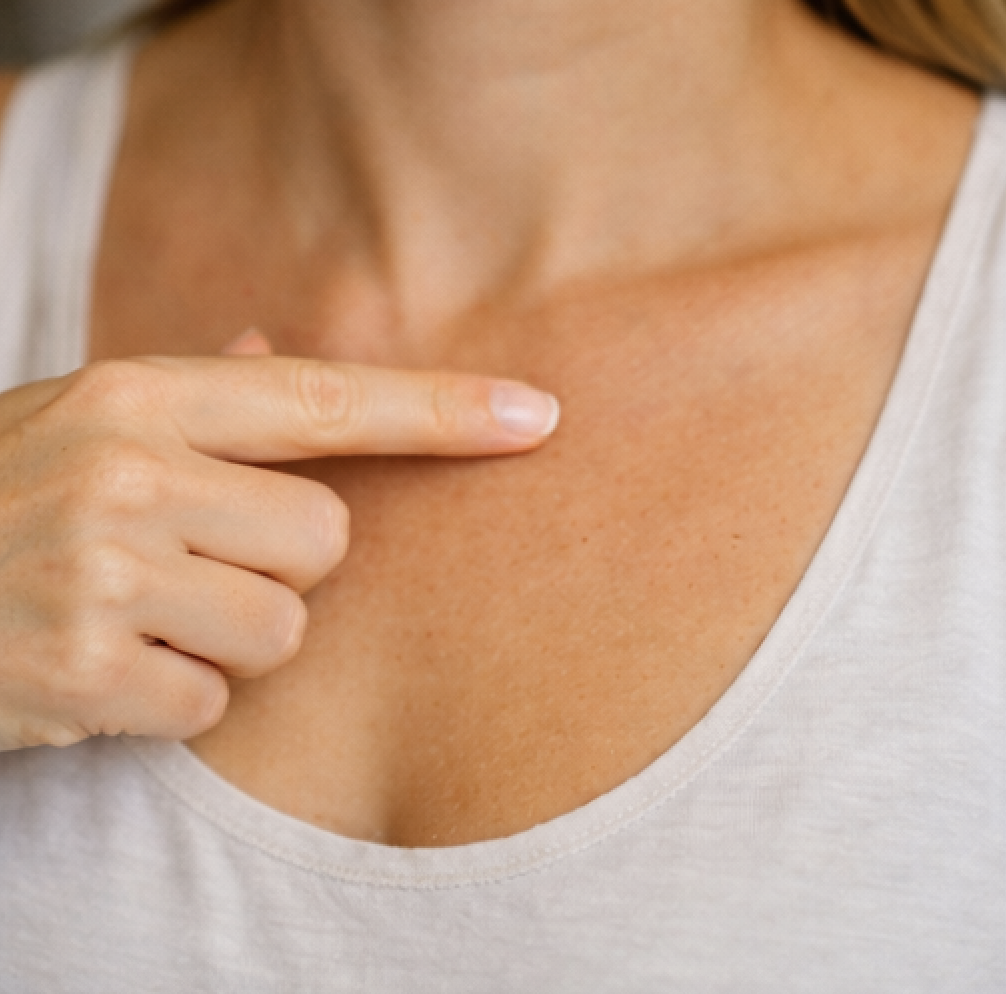
Top of the Collarbone
Found just below the hard ridge of the collarbone, about an inch out from the center of the chest. This point corresponds to the kidney meridian, which in Chinese medicine is associated with fear, vitality, and life force. Many people find this point deeply grounding and stabilizing.

Bottom of the Rib Cage
Located on the front of the body at the bottom of the rib cage, where you can feel the rib bone. This point corresponds to the liver meridian and often supports emotional processing and grounding in the body.
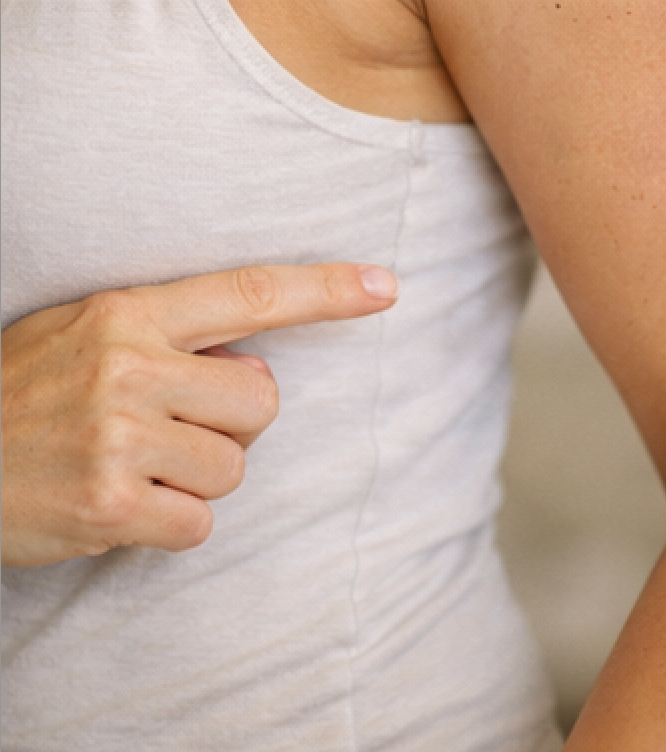
Side of the Rib Cage
Found along the side of the torso beneath the armpit, roughly where a bra strap rests. This point corresponds to the spleen meridian and is associated with worry, overthinking, and self-esteem. It is especially helpful for releasing chronic stress and overwhelm.

Top of the Wrist
The top of the wrist is a beautiful integrating point that brings awareness into the hands and heart pathways.
Located on the back of the wrist, this point corresponds to the Pericardium meridian, which is associated with calming the heart and regulating emotional states. It can support grounding, safety, and emotional regulation.
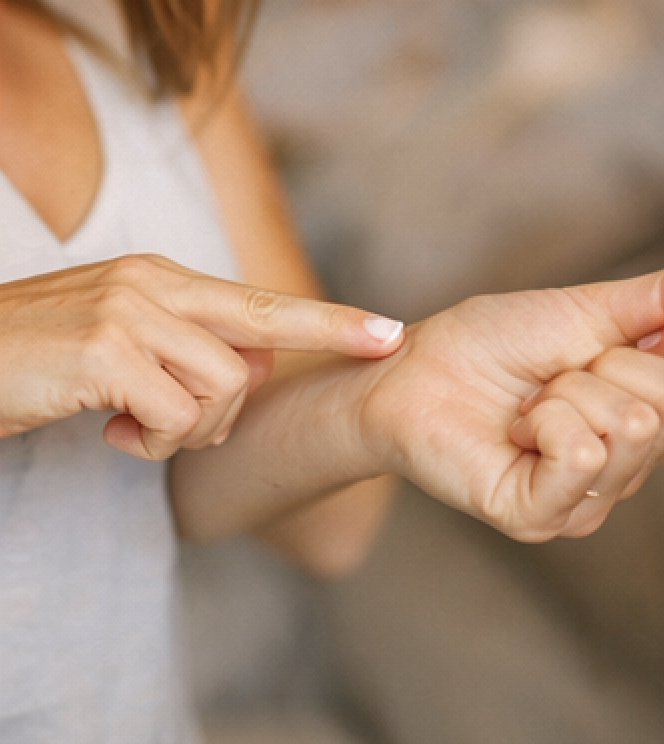
Bottom of the Wrist
Located on the underside of the wrist, this point connects with calming reflexes in the nervous system. Many people feel an immediate settling when tapping here.
Located on the underside of the wrist, this area lies near the Heart and Pericardium meridians and is traditionally used for calming the nervous system, soothing anxiety, and settling emotional activation.
From here, the sequence often returns once more to the top of the head, completing the energetic circuit and integrating the shifts that have occurred.
What to Know When You’re New to Tapping
When I begin working with a client who is new to EFT, I always share a few important principles.
First, I remind them that these are not rigid scripts. If any statement I offer does not feel true, they are invited to change it. The nervous system responds to honesty and specificity, so let yourself be honest and clear.
Second, I let them know that memories may surface from the subconscious. Sometimes an image, a childhood moment, or a forgotten experience arises spontaneously. We can explore them in the moment if there is time, or return to them in a future session.
Third, I explain that they may tap on both sides of the body at the same time, or on either side. It truly does not matter. The body understands the signal either way.
And finally, I prepare them for the ways energy often begins to move.
When Energy Begins to Move
As tapping begins to soften emotional defenses, the body may release in very natural ways. Tears may arise. Yawning, sighing, burping, or sudden tiredness may appear. Emotions may surface that have been held quietly beneath the surface.
All of these are signs that the nervous system is processing and releasing what has been stored.
There is nothing wrong with any of these responses. They are evidence that the body finally feels safe enough to let go.
Working with the Amygdala: Teaching the Body It Is Safe
From a neurological perspective, EFT works directly with the amygdala, the part of the brain responsible for detecting danger and activating the fight-or-flight response.
When we tap while naming an emotion or memory, we are doing something profound. We are revisiting a charged experience while simultaneously sending calming sensory input through the body.
In essence, we are teaching the nervous system a new message:
You are safe now. It is safe to feel this. It is safe to release this.
Over time, this rewires the brain’s emotional pathways. Triggers soften. Memories lose their charge. We have the power to revisit and reframe difficult memories, and create new perspectives for our future.
A Path Back Into Safety
Ultimately, EFT is a practice of relationship — with the body, with emotion, with the deeper layers of the psyche.
Each tapping point becomes a gentle invitation back into safety, calmness and breath. Each round becomes a quiet conversation with the nervous system: I am here, I am listening, and you no longer have to carry this alone.
In a world that often teaches us to override, suppress, or transcend our feelings, tapping offers a different path — one of compassion, embodiment, and slow, lasting healing.